
Designing Eco‑Friendly Room Narratives with Upcycled Furnishings
Today we dive into designing eco‑friendly room narratives with upcycled furnishings, revealing how found objects, reclaimed timbers, and reimagined textiles can become memory keepers, emotional anchors, and practical heroes. Expect inspiration, actionable techniques, honest sustainability metrics, and heartfelt stories that show design choices shaping daily rituals, community connections, and a gentler footprint on our shared planet.

From Waste to Whispered Memories
Sourcing with Intention
Begin at salvage yards, community swaps, and charity shops, where selection becomes a mindful exercise rather than a rushed bargain hunt. Ask about provenance, previous use, and condition, then imagine how the piece could serve differently without losing its essence. Photograph details, measure carefully, and leave space for serendipity, because the most resonant finds often present themselves imperfectly, inviting your patience, creativity, and respectful transformation.
Reading the Object’s Past
Examine patina, joints, hardware, and repairs like a detective reads clues. Burn marks may suggest workshop history, sun bleaching indicates windowside placement, and uneven wear reveals patterns of care. Translate these observations into design choices that preserve character while solving functional needs. Keep what tells truth, remove only what obscures it, and let the object’s quiet biography guide placement, palette, and the subtle rhythm of the room.
Ethics and Safety
Beauty never excuses negligence. Test for lead paint, treat wood for pests, and verify structural strength before any romantic flourish. Prioritize water‑based, low‑VOC finishes and responsibly sourced add‑ons like hardware or glass. When in doubt, consult specialists rather than improvising with potentially harmful shortcuts. Ethical stewardship protects your household and extends the life of rescued pieces, turning conscience into a visible, reassuring chapter of everyday living.
Design Grammar: Color, Texture, and Form
Narrative rooms read like well‑crafted sentences, where color offers tone, texture supplies subtext, and form guides cadence. Upcycled furnishings thrive within palettes that balance quiet naturals and joyful accents, textures that reward touch without clutter, and silhouettes that harmonize rather than compete. By treating each decision as punctuation, you achieve clarity, warmth, and a cohesive voice that elevates rescued materials into eloquent, future‑minded statements of care.

Layout as Narrative Arc
Think of the room as a story with exposition by the entry, rising action through daily tasks, and resolution at restful corners. Upcycled furnishings become pivotal characters that cue transitions, define zones, and invite rituals. Circulation lines function like sentences, guiding the eye and body. With careful staging, even modest spaces gain narrative momentum, turning routines into meaningful chapters that people actually look forward to rereading every day.
Hands‑On Upcycling Techniques
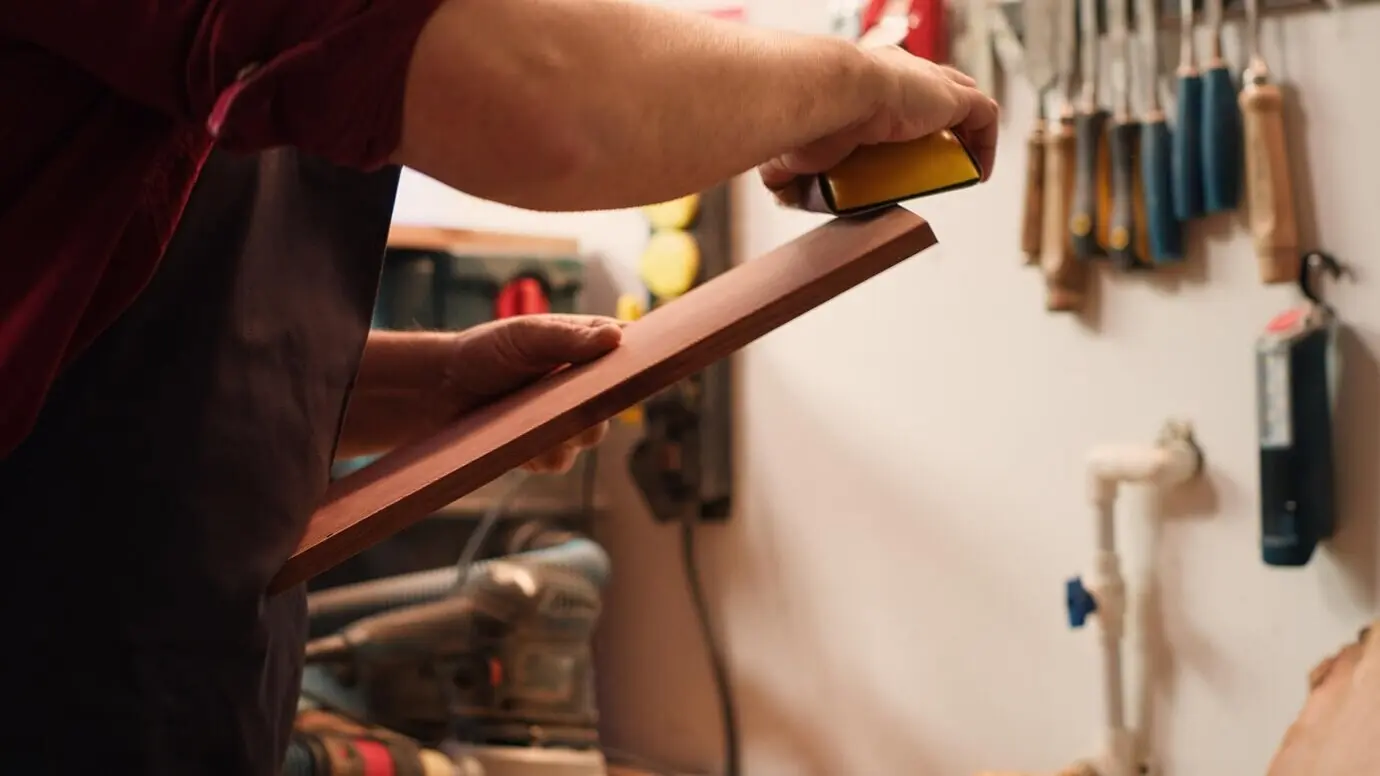
Respect for material leads every decision. Techniques should reveal craft, not hide compromise. From repairing loose joints with traditional methods, to selectively sanding without erasing patina, to upholstering with offcuts that celebrate seams, the work demands patience. Success feels tactile and honest, where each intervention solves a problem while keeping history legible. The result is quietly luxurious, rooted in care rather than costly novelty or planned obsolescence.
Sustainability Metrics that Matter
A beautiful room should also be measurably kinder. Track embodied carbon by preferring reused materials, minimize new resource extraction, and choose finishes with transparent health data. Design for disassembly so components can be repaired or recycled. Avoid trend‑locked choices that force early replacement. When you quantify impact while crafting emotional resonance, the result is an environment that feels good, lasts longer, and genuinely lightens its footprint over time.
Carbon and Material Footprint
Extend the life of existing materials to sidestep emissions from manufacturing and transport. When new inputs are unavoidable, prefer FSC timber, recycled metals, and regionally made components. Document quantities and sources to make future decisions easier. Small choices compound: a salvaged door saves more than wood; it preserves energy, water, and habitat. Accountability transforms aesthetics from surface value into durable, planet‑positive practice you can confidently defend.
Healthy Indoor Air Choices
Select adhesives, paints, and sealers with verified low VOCs, and ventilate adequately during curing. Test old finishes before sanding to avoid unsafe dust, and consider encapsulation when removal is risky. Natural fiber rugs and washable slipcovers reduce microplastic shedding. Plants help, but specification matters more. Healthy interiors do not rely on fragrance to mask problems; they eliminate sources, verify with data sheets, and prioritize comfort measured in clean, breathable air.
Designing for Longevity and Repair
Use mechanical fasteners rather than permanent glues where feasible. Keep spare hardware, label finish recipes, and store offcut fabric for future patching. Choose joinery and coatings that invite maintenance rather than deter it. Provide clear access to moving parts. When pieces are legible and serviceable, owners remain empowered to care for them. Longevity becomes a natural outcome, turning today’s rescue into tomorrow’s heirloom with minimal waste along the way.

A Kitchen Reborn from Schoolhouse Tables
Two battered classroom tables became durable kitchen counters after careful leveling, biscuit‑joined seams, and hardwax oil. Pencil grooves survived as charming trivets. Overhead, a rescued workshop lamp brightened tasks without glare. The family now cooks where generations once scribbled notes, learning that function and history can coexist deliciously. Cleaning routines stay simple, and guests inevitably ask for the story while reaching for a second slice of pie.

A Bedroom Anchored by a Studio Easel
An artist’s easel, once paint‑splattered and forgotten, now supports a headboard with framed linen panels and reading lights. The adjustable mechanism allows seasonal rearrangements, shifting textiles for warmth or breeze. Softened canvas muffles sound, improving rest. Each stain remains, a constellation of past experiments watching over new dreams. The room feels calm, soulful, and cleverly adaptable, reminding its owners that invention often hides in plain sight.
Community, Sharing, and Ongoing Care

Hosting a Neighborhood Swap Night
Choose a relaxed evening, set clear guidelines, and curate zones for tools, textiles, and small furnishings. Provide labeling cards for materials, dimensions, and quirks. Invite a local craftsperson to demo repairs, collect unwanted packing, and donate surplus responsibly. People leave lighter, happier, and inspired to see potential in forgotten pieces. The event becomes tradition, strengthening friendships while shrinking waste in ways that feel festive rather than dutiful.

Documenting Provenance for the Future
Create simple tags or a digital log recording where each item came from, what was repaired, and which finishes were used. Include care notes and dates. This living archive aids maintenance, helps future owners, and honors invisibly laboring hands. Provenance transforms objects into storytellers, building continuity even as rooms evolve. The practice also counteracts greenwashing by making claims verifiable instead of charming yet unverifiable anecdotes.

Maintenance Rituals that Preserve Soul
Schedule seasonal tune‑ups the way you would plan a deep clean. Oil wood, tighten hardware, rotate textiles, and re‑wax surfaces that need protection. Small, regular attention prevents emergency replacements and keeps patina luminous. Invite family members to adopt a favorite piece, fostering responsibility and affection. Care becomes a shared ritual, not a chore, aligning daily habits with values that keep both story and structure beautifully alive.