When Rooms Tell Stories, Furniture Lives Longer

Today we explore Eco Interior Storytelling & Furniture Care, weaving narrative design with low-impact practices that honor memory, materials, and craft. Expect practical rituals, gentle products, and inspiring examples that help your spaces speak with integrity while extending the life, beauty, and resilience of every cherished piece.

Materials That Remember

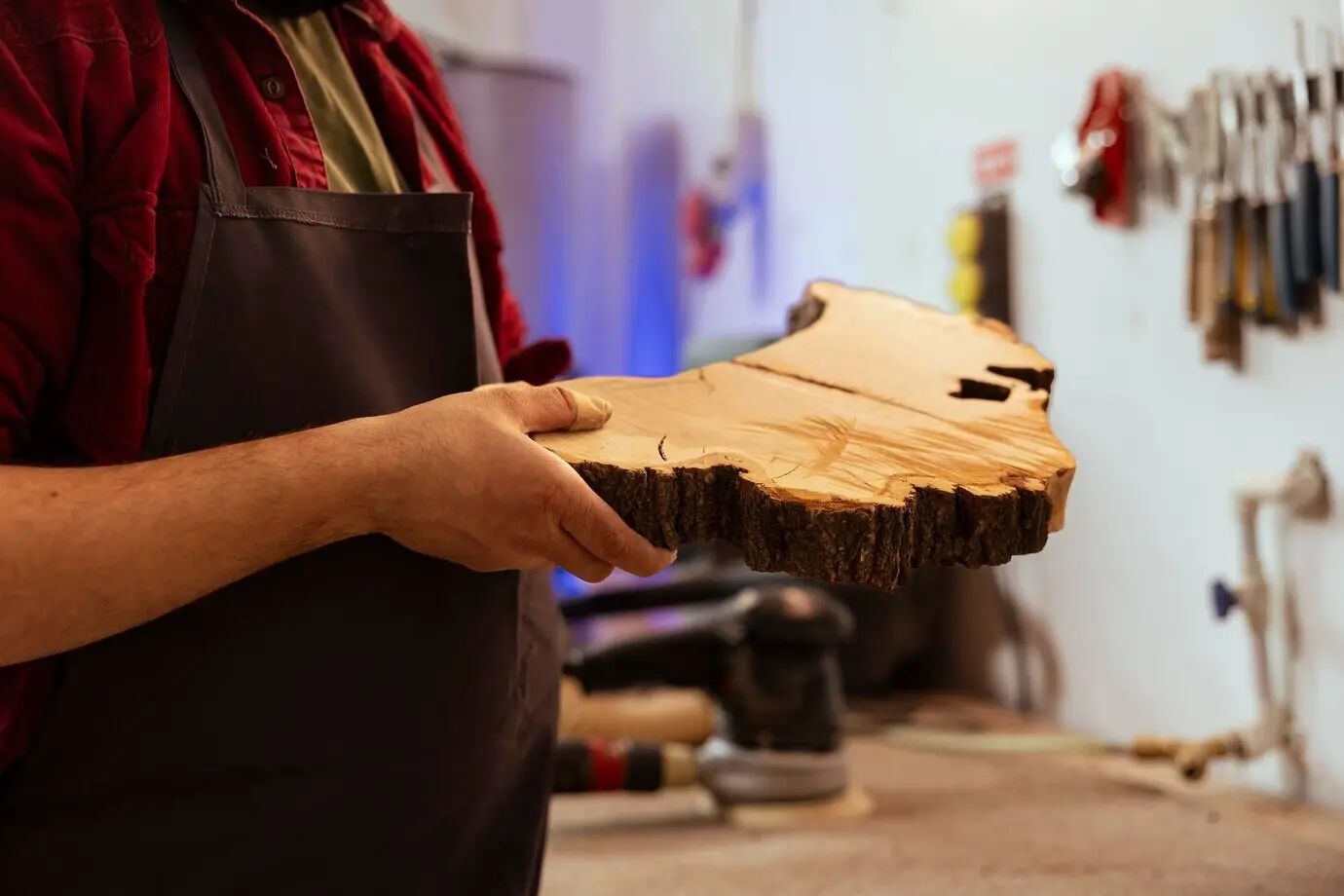
Your home’s narrative begins with matter: reclaimed hardwoods bearing saw marks, linen softened by time, clay and stone with subtle mineral hues. Choosing responsibly sourced, durable materials invites history and lowers impact, while patina documents life honestly. As pieces age gracefully, their surfaces capture breakfasts, repairs, and seasons, turning sustainability into a lived chronicle rather than a distant intention.

Reclaimed Wood, Real Provenance

Trace where boards came from, and write it down under the seat or inside a drawer. Salvaged oak from a school gym tells different stories than river-recovered pine. Stable moisture content, tight grain, and non-toxic glue-ups protect structure while honoring the wood’s prior life.

Plant-Dyed Palettes That Whisper

Build palettes from plants and soils: walnut husk browns, indigo washes, madder pinks, limewash creams. These hues fade softly, avoiding harsh off-gassing from synthetic dyes. They connect rooms to seasons, help mismatched heirlooms coexist, and allow future touch-ups without color shock or plastic shine.

Textures as Honest Narrators

Texture carries plotlines your eyes feel before noticing form. Brushed grain, handwoven slubs, and burnished leather steer light differently, creating calm rhythms. Favor honest finishes over plastic films; they breathe, can be renewed, and invite touch, making care part of daily conversation rather than a chore.

Care Rituals That Reduce Waste

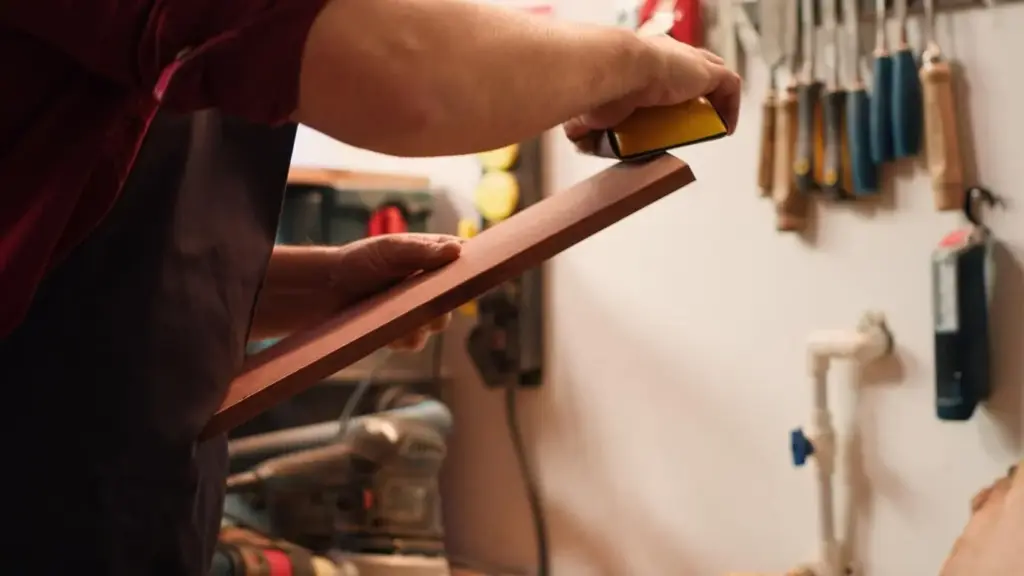
Treat maintenance like hospitality. Gentle, scheduled attention reduces landfill waste, preserves joinery, and saves money. By using mild soaps, breathable oils, and simple tools, you slow wear gracefully. Keep a small caddy at the ready, note what works, and celebrate patina instead of chasing perfection.

Soap, Vinegar, and Sunshine

Warm water, a drop of castile soap, and a soft cloth remove most soils without stripping finishes. White vinegar cuts mineral haze on glass but should avoid stone. Sunshine sanitizes cushions briefly, yet prolonged UV fades dyes; balance freshness with shade, and always dry wood thoroughly.

Mend Before You Replace

Loose joints often need patience, not nails. Disassemble carefully, clean old glue, and clamp with reversible, water-based adhesive or hot hide glue where appropriate. Replace missing screws with like metals to prevent corrosion, and keep a repair log so future caretakers understand decisions and materials.

Finishes, Fabrics, and Indoor Air

Healthy interiors support attention, sleep, and long-term wellbeing. Favor finishes that cure into safe, breathable films and textiles that wick moisture without microplastic shedding. By choosing materials with clear disclosures, you lower indoor emissions, reduce dust-borne toxins, and build a calm baseline for color, story, and touch.

Layout That Leads a Journey

{{SECTION_SUBTITLE}}

A Welcoming Threshold

At the entrance, select one meaningful object—an old bench, a repaired basket, a framed repair receipt—to set expectations. Ensure hooks and trays are sturdy, reachable, and made from forgiving materials. This first moment teaches care, sets tone, and honors what comes and goes each day.

Conversation Circles, Not Furniture Lines

Arrange seating for conversation triangles, not television dominance. Keep side tables within easy reach for water, books, and plant-based polish cloths, turning pauses into care moments. Vary seat heights, soften corners with textiles, and orient chairs to windows to invite daylight without glare.

Sourcing With Integrity and Joy

Hunt estate sales, online marketplaces, and charity shops with a tape measure, flashlight, and patience. Look past surface scratches toward bones, joinery, and proportions. Older pieces often use solid wood and repair-friendly finishes, offering soul and longevity while saving money and avoiding new manufacturing footprints.
Visit studios, ask about offcuts, and request maintenance instructions before buying. Makers who share sources and finish recipes usually build for decades, not seasons. Commission modest adaptations—extra shelves, replaceable cushions—to extend usefulness, and document contact details so future tune-ups support the original craftsperson.
Learn labels that matter: FSC or PEFC for responsibly managed wood, OEKO-TEX for textiles tested against harmful substances, and GREENGUARD Gold for low emissions. Certifications are starting points; still ask questions about adhesives, finishes, and packaging to ensure integrity from forest to doorstep.


Community, Reflection, and Ongoing Care

Rooms change as we do. Sharing experiments, repairs, and missteps turns solitary projects into collective wisdom. Invite feedback, note what surprised you, and track how habits ripple through bills, dust levels, and moods. With community, care becomes lighter, more joyful, and wonderfully contagious.
Vapozupalukanuxelaku
Privacy Overview

This website uses cookies so that we can provide you with the best user experience possible. Cookie information is stored in your browser and performs functions such as recognising you when you return to our website and helping our team to understand which sections of the website you find most interesting and useful.